
AI, Cloud, and Rapidly Evolving Requirements Call for The Flexibility of Hybrid Colocation
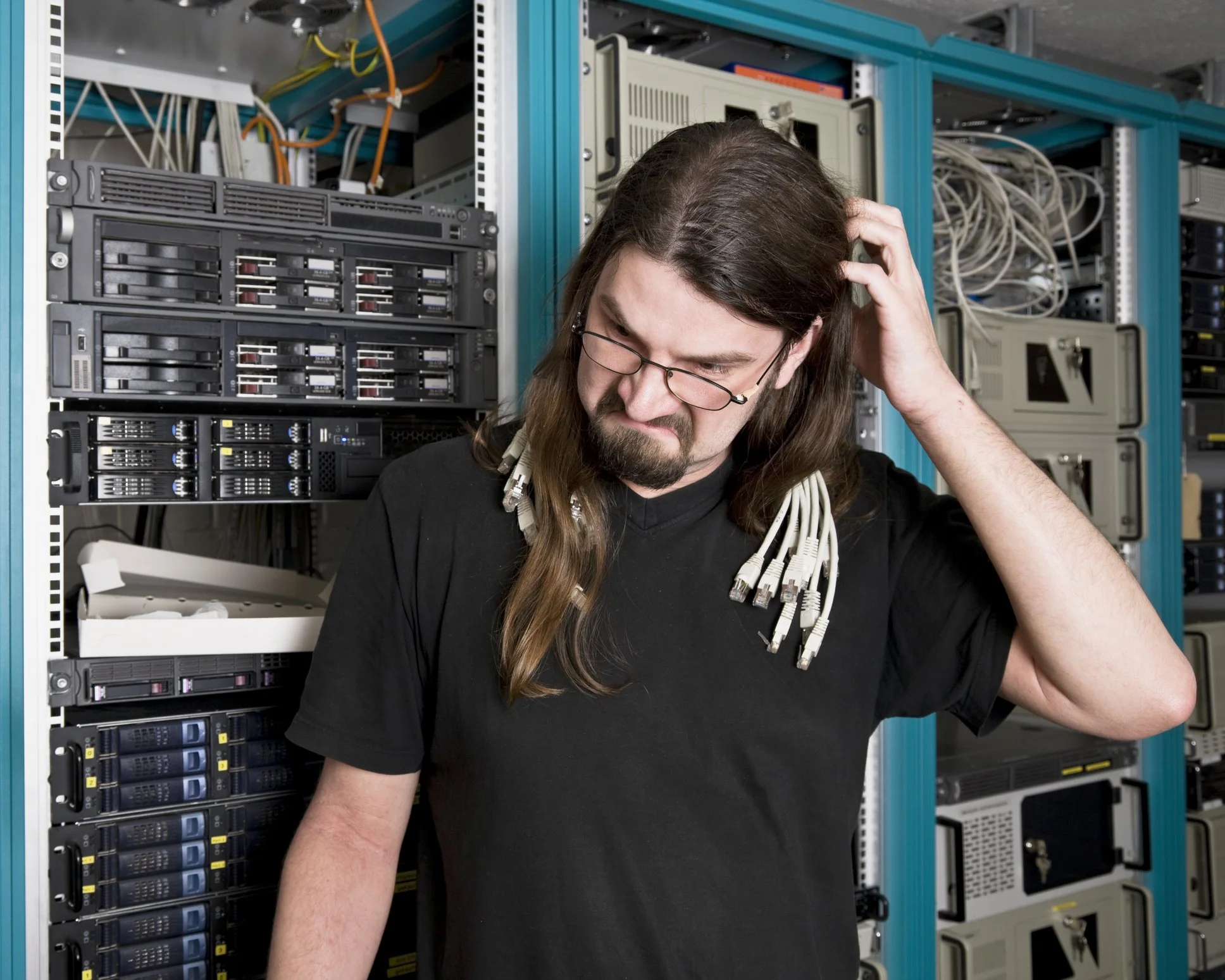
If you’re unsure what your IT infrastructure requirements will be in three years you’re far from alone. After all, if you’re like most IT leaders, what you’re doing as we kick off 2026 likely has substantial differences from what you were forecasting to be as the calendar flipped from 2022 to 2023.
Adding an AI Challenge: Three years ago, you likely weren’t under the gun to integrate artificial intelligence effectively and affordably into your tech strategy. Now you’re probably reached the point where not implementing AI leaves you at risk of a severe competitive disadvantage in the marketplace, to say nothing of the side-eye you’ll get from management, board members, and investors.
Shared Uncertainty: More and more, uncertainty is the common theme in the stories we’re hearing from prospects and customers alike. There seems to be a lot of uncertainty as to the hardware, software, and network infrastructure you will need to meet business goals (which may change themselves). This uncertainty is no longer limited to high-flying web startups, but across the spectrum from mid-size startups to large established enterprises.
No Solution is Perfect: Every potential solution has drawbacks that come along with the benefits. But we believe that Hybrid Colocation is the right approach for the majority of SMBs and enterprises, blending predictable costs on your traditional infrastructure, access to public and private cloud resources, numerous fiber choices, and (in the right facility) expandability into an AI-ready environment.
Avoid Vendor Lock-In: Cloud offers significant flexibility and scalability… within that single cloud provider’s ecosystem. But locking into a single cloud provider has proven to be a single point of failure for hundreds of thousands of businesses and millions of their customers who have suffered through widespread cloud outages.
Pivot Quickly when Required: Hybrid colocation allows you to rapidly respond to changes in requirements, technologies, and business conditions. It enables traditional data center solutions, frequently the most efficient and economical venue for your existing infrastructure. But it does so while also freeing you from real estate ownership, capital-intensive power infrastructure upgrades, and round-the-clock data center operations and security.
If you will be tackling changing IT requirements in 2026, let’s have a conversation about the flexibility and scalability introduced by hybrid colocation. Email us at strategy@DirectLTx.com and we’ll tell you about our data center, uptime record, fiber options, cloud onramps, and how we have expanded our HPC experience into AI opportunities for our customers.