
Data Centers in Orbit: The New Space Race
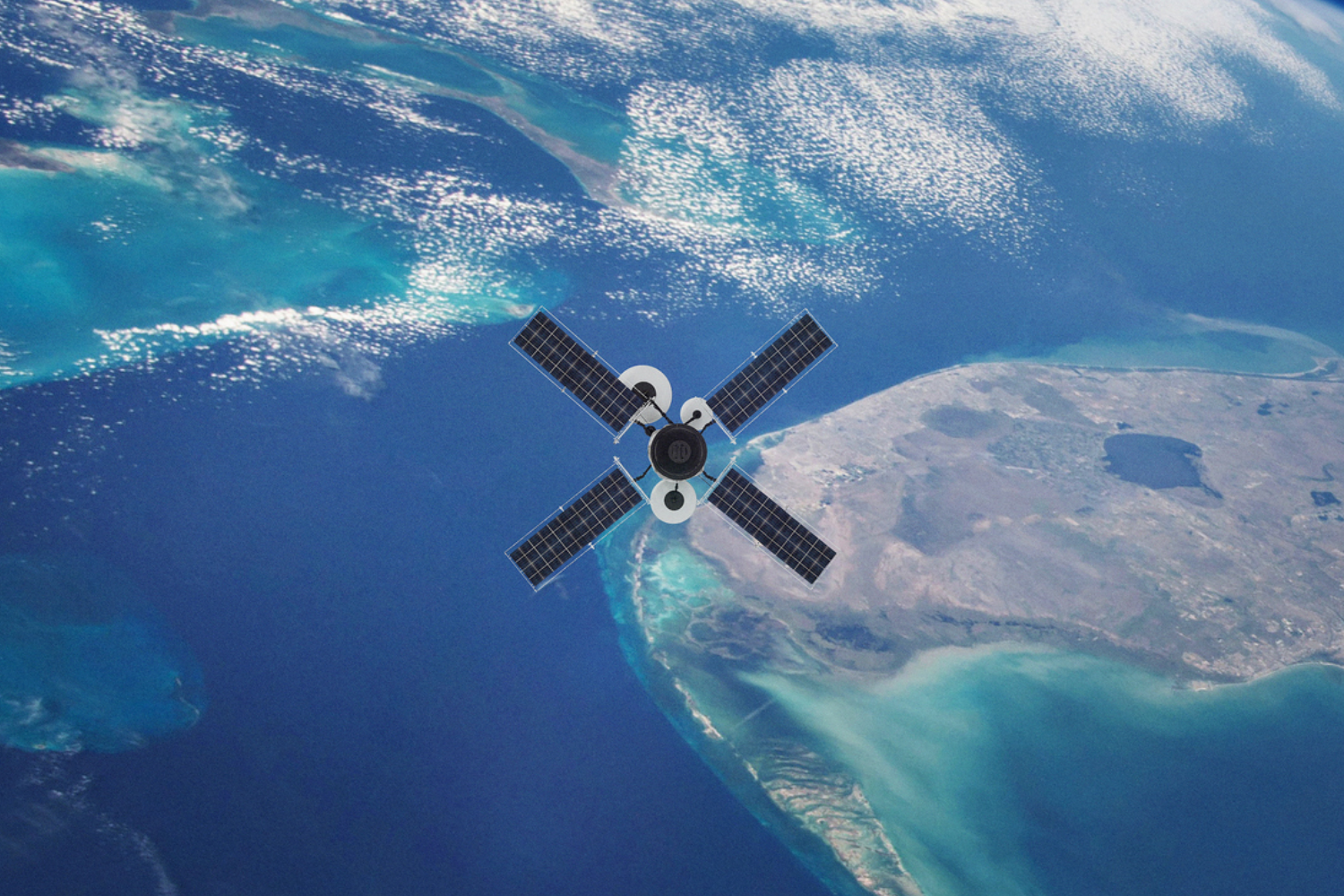
We have written about data centers in space a couple of times and while we haven’t been dismissive of what is truly a fascinating idea, we have to admit that it has been a little bit tongue-in-cheek, as for the past two decades, we’ve been pretty committed to our terrestrial data center in the ideal ground-based market of Eastern Pennsylvania. But as Russian scientist Konstantin Tsiolkovsky said in the early 1900s, “the Earth is the cradle of humanity, but mankind cannot stay in the cradle forever.”
In an era of potential energy constraints and local opposition to hyperscale local development, which we know well here in Pennsylvania, smart people continue to take the idea of data centers in orbit seriously, so we will as well.
Elon Musk recently said, "I actually think that the cost of deploying AI in space will drop below the cost of terrestrial AI much sooner than most people expect," with the SpaceX founder adding "I think it may be only two or three years."
SpaceX is far from the only game in town. Starcloud has a billion dollar valuation and six months ago launched the first Nvidia H100 GPU in space, which is running a version of Gemini and training an LLM in a quest for proof of concept for an orbital AI data center.
Backed by Sequoia Capital, Starcloud has a billion dollar valuation. Capital is flying to the sector, with Y Combinator including “Electronics in Space” as a topic of particular interest in their most recent collection of Requests for Startups. YC specified inference chips that are “slightly optimized for mass, slightly optimized for thermal, and slightly optimized for radiation” as an area of particular interest for them.
Launches must be made cheaper, solar arrays need to become smaller and more efficient, and cooling technologies must be more advanced before this can all happen at scale. So, it is unlikely to be in two or three years. But scientifically all of this is headed in the right direction and Musk says that SpaceX is rapidly reducing the “cost of access to space” through innovation.
As Direct LTx is the IT infrastructure home to a lot of companies doing interesting, new, groundbreaking things, we’re big fans of technological progress. We look forward to following all the tech advancements and increases in efficiency that bring us closer to data centers in space and will report on that progress again in a few months.